




If you’ve spent more than five minutes at a gun range or on a firearms forum, you’ve heard the term "stopping power." It’s usually tossed around by a guy who swears that a .45 ACP is a "man-stopper" and that a 9mm is just a "glorified pellet gun." There’s a lot of lore in the firearms world, often passed down like campfire stories, but when your life is on the line, you don't need lore, you need science and reality.
At C&G Solutions, we see students every day who are navigating the maze of caliber selection. They’re often worried that if they don’t carry the biggest "cannon" available, they won’t be safe. But here’s the truth: "stopping power" as a physical force that knocks an attacker backward is a complete myth. Physics doesn’t work like Hollywood movies.

You’ve stopped the massive bleeding with a tourniquet. You’ve cleared the airway. You’ve patched the holes in the chest to keep the lungs inflating. In the high-stress world of tactical first aid, it feels like you’ve done the heavy lifting. But the MARCH algorithm isn't finished with you yet. Welcome to Part 4: C - Circulation.
If "M" was about stopping the leak and "R" was about the bellows, "C" is about the pump and the pipes. In a trauma scenario, a casualty can have a clear airway and be breathing fine, but still bleed out internally or slip into fatal shock because their circulatory system is failing. As a Citizen First Responder, your job during the Circulation phase is to ensure the "plumbing" is still working, find the "slow leaks" you might have missed, and treat the silent killer: shock.

If you’ve been following along with our MARCH series, you know we’ve already covered the "M" (Massive Hemorrhage) and the "A" (Airway). By this point in a trauma scenario, you’ve stopped the bright red, spurting blood with a tourniquet or wound packing, and you’ve made sure the patient has a clear path for air to travel from their mouth to their lungs.
But here is the reality: a clear airway doesn’t matter if the "bellows" (the lungs) aren’t working.

Let’s be real for a second: living in or around New York City is basically a full-time job on top of your actual full-time job. Between navigating the MTA’s "unexpected delays," surviving the office grind, and trying to maintain some semblance of a social life, finding four hours to trek out to the range can feel like trying to find a parking spot in Midtown on a Friday night. It’s a struggle.
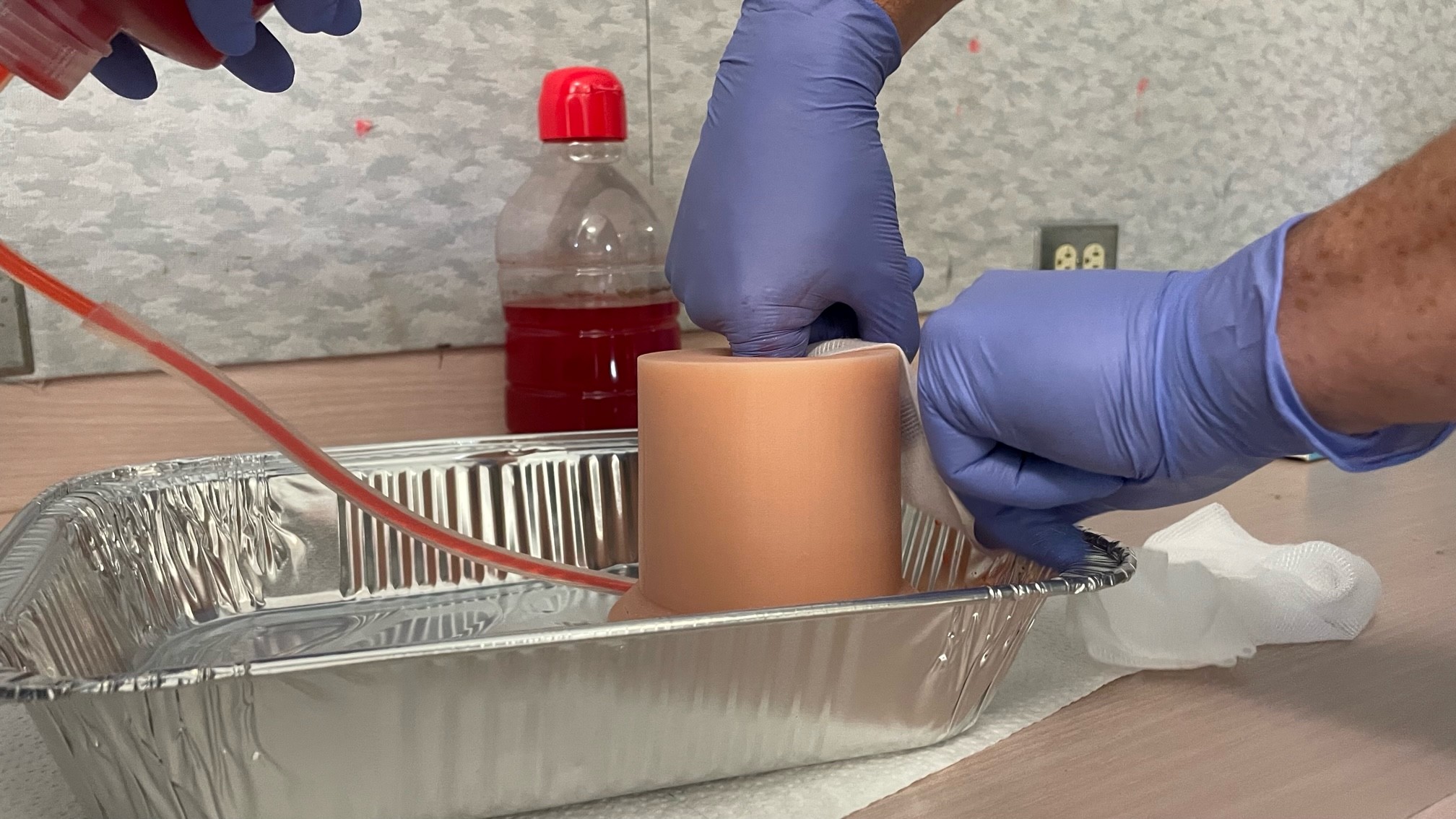
Let’s be real for a second: a gunfight is just a medical emergency with a loud noise at the beginning.
Most people spend thousands of dollars on the latest sub-compact pistol, red dot sights, and custom holsters, but they carry exactly zero medical gear. Or worse, they carry a kit filled with "stuff" they saw in a YouTube video that has no business being used in a life-or-death situation.

Well-Taught, Well-Trained
Safety always comes first. We teach proper firearm handling to help prevent accidents and encourage responsible ownership.