




If you’ve ever spent a day at the range and felt like you were wrestling a greased pig every time you pulled the trigger, you’re not alone. Most new shooters: and plenty of "experienced" ones: treat recoil like an unexpected guest they have to fight off. They brace, they flinch, and they watch their front sight post go on a journey to the moon after every single shot.
This is the second installment of our 'Shooting Simplified' series. Last time, we built our foundation with the athletic stance; today, we’re getting physical and talking about your point of contact. We’re moving from the 30,000-foot view of firearms ownership down to the literal point of contact: your hands.
If you want to move from "hitting the paper somewhere" to "driving the gun with authority," you need to master the grip. We call this the Master Grip because it is the foundation upon which every other skill is built. Without it, your trigger press is a gamble, and your follow-up shots are just suggestions.
Most people come to the range focused on one thing: “How do I make the gun stop jumping?”
That’s fair—but it’s also too small of a target.
From the 30,000-foot view, your grip isn’t just about tighter groups. It’s about responsibility. A stable, repeatable Master Grip reduces chaos in the gun so you don’t burn mental energy fighting recoil. That mental bandwidth is what lets you:
Control the gun, and you free up your mind for what matters: safety, judgment, and the people you’re responsible for.
The most common mistake we see? The "Gaping Hole." If there is space between the webbing of your hand and the beavertail (that curved part at the top of the grip) of the pistol, the gun is going to win the recoil battle every time.
Think of it as a lever. Physics doesn’t care about your feelings; if the force of the shot is directed above your hand, the muzzle is going to flip up. By getting high on the backstrap, you place your hand as close to the bore axis as possible.
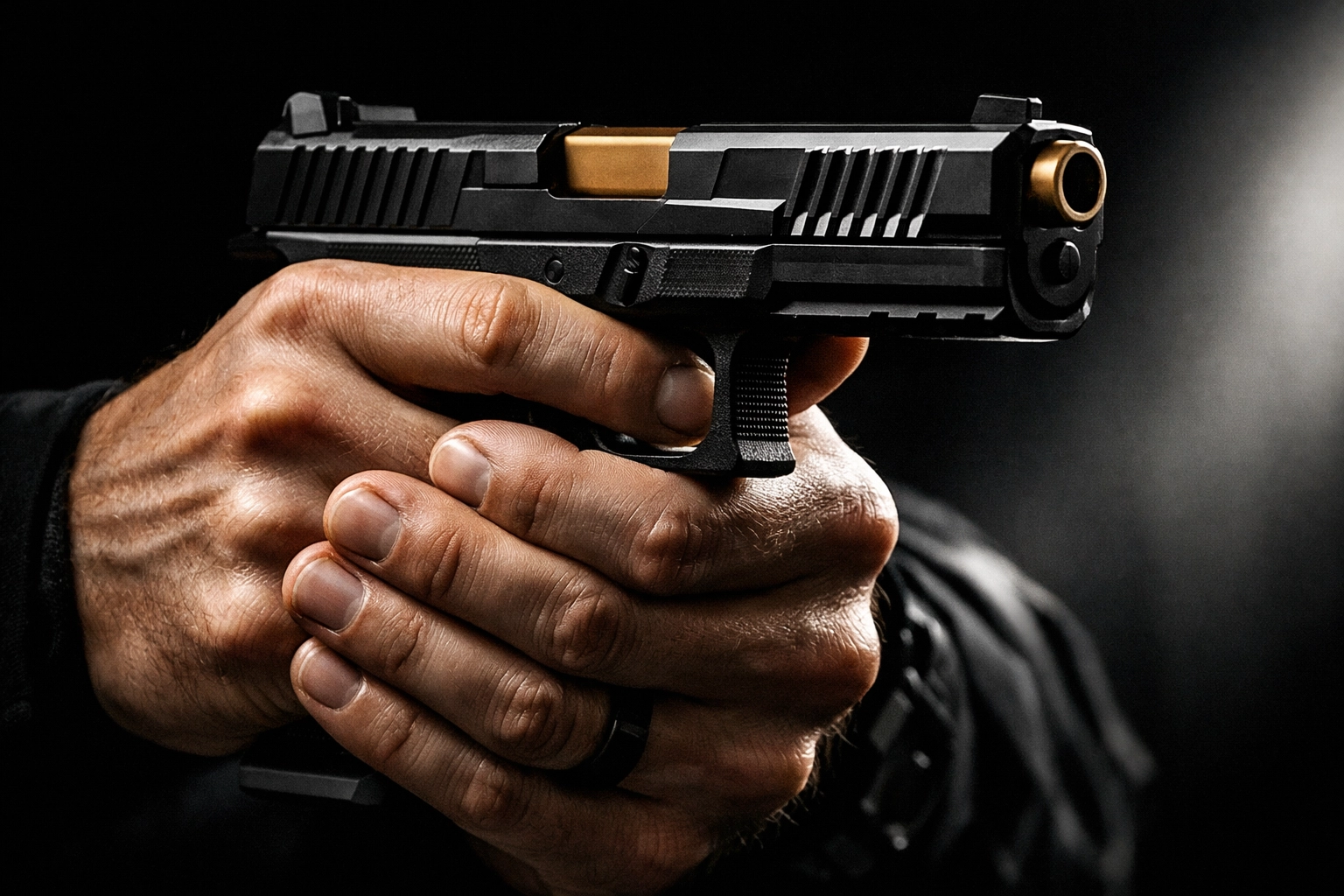
Drive the "U" shape of your dominant hand up into the backstrap until it feels locked in. That’s your anchor. That’s the start of taking command.
Your dominant hand is really just there to hold the gun and manage the trigger. The real "muscle" of recoil control comes from your support hand. Most shooters treat their left hand (if they’re right-handed) like a decorative accessory. In reality, that hand needs to be doing about 60% to 70% of the work.
When you wrap your support hand around the grip, your goal is simple: no gaps. Any spot where you can see the plastic or metal of the grip is a spot where the gun can shift under recoil—and that shift steals time and confidence.
Tilt your support hand forward so your thumb points toward the target. Let the meaty part of your palm fill the open space left by your dominant hand. The more contact you create, the more you dominate the gun—so you can keep your attention where it belongs when it matters most.
You’ve probably heard people say "grip the gun hard." While true, it’s a bit vague. If you grip so hard your hands shake, you’ve gone too far. If you’re holding it like a delicate teacup, you’re going to get "limp-wrist" malfunctions.
The secret to taming recoil isn't just in the fingers; it’s in the wrists and elbows. Think of your wrists as a vice. Lock the tendons in your wrists by flexing them to near maximum effort. This limits unwanted movement so the gun tracks predictably and returns faster.
From the 30,000-foot view, your arms are the shock absorbers. Keep a slight bend in your elbows, but maintain tension so they don't collapse when the gun goes off. You want to be "stiff but not rigid": like the suspension on a high-end sports car.
This is how you get that unfair advantage: the gun stays controllable so your eyes and mind can stay on the bigger problem—protecting loved ones and reading the environment.
Here is the "aha!" moment most students experience during our nyc concealed carry class: A good grip is what allows you to have a good trigger press.
If your grip is weak, your entire hand will tend to contract when you try to move your index finger. This is how shots end up low and left (for righties). When you have a rock-solid Master Grip, your hand is so secure that your trigger finger can move independently. You can press to the rear with a smooth, consistent motion without disturbing the sights.
Remember, we never "squeeze" the trigger. Squeezing is for stress balls and lemons. We press the trigger. A press is a deliberate, isolated movement. If you find yourself "milking" the grip (tightening your whole hand as you fire), reset and rebuild your Master Grip. Lock that grip down first, then let the finger do its job.
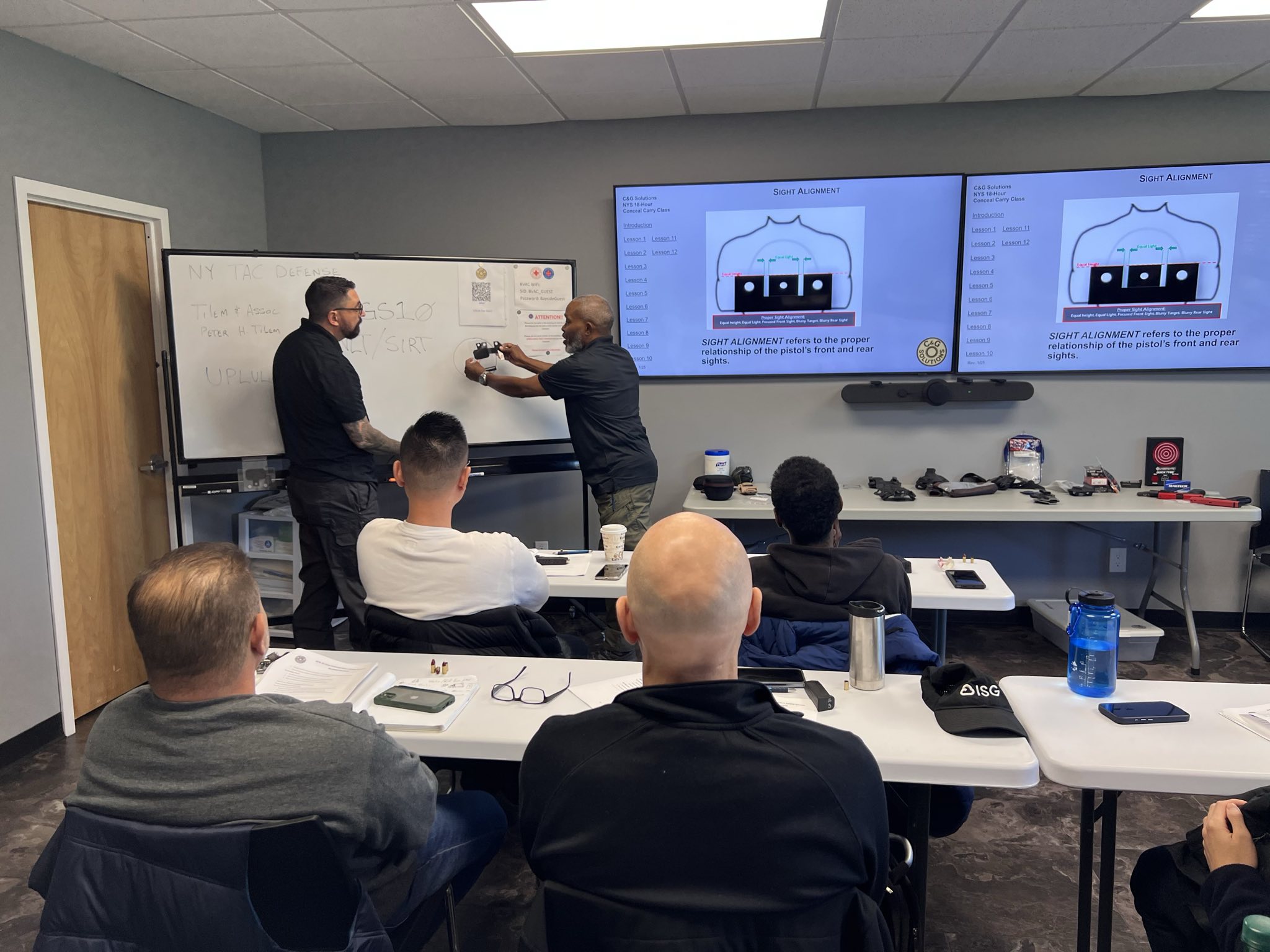
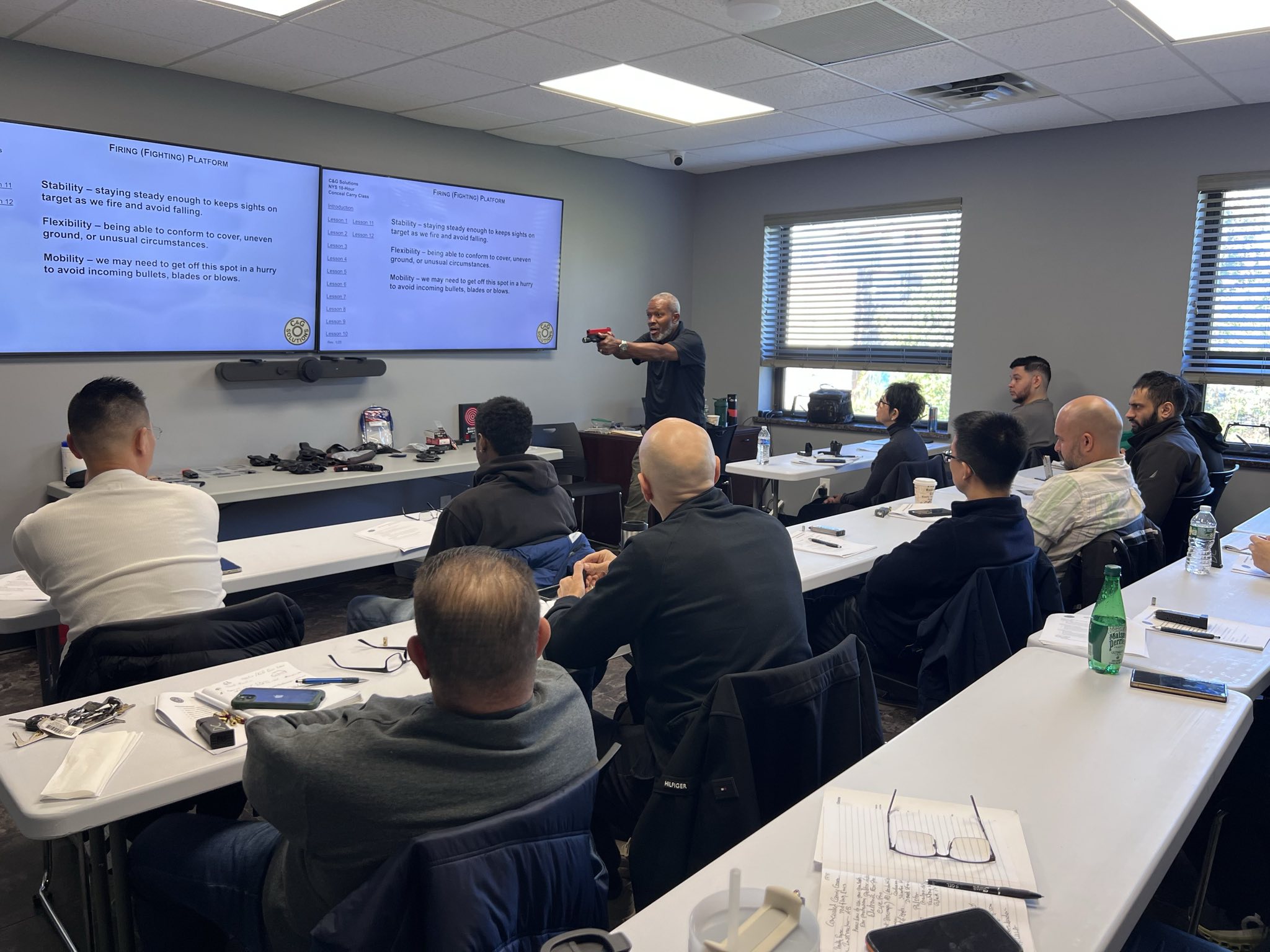
Understanding the mechanics is one thing; performing them under stress is another. That’s why we emphasize these fundamentals in every course we offer at our Mariners Cove location in Oceanside, NY. Whether you are aiming for your license or looking for private pistol coaching, the Master Grip is the first thing we’re going to look at.
Recoil shouldn't be scary. It should be predictable. When you have a Master Grip, the gun doesn't "kick": it simply cycles, and the sights return right back to where they started. This is how professional shooters manage "controlled pairs" and rapid follow-up shots.
If you’re struggling with accuracy, don’t immediately blame your sights or your ammunition. Look at your hands. Are you high on the backstrap? Are you filling the gaps with the support hand? Are your wrists locked?
Mastering the grip takes time and repetitions. We highly recommend dry-fire practice (with an empty gun and no ammunition in the room!) to build that muscle memory. Practice drawing from your holster and establishing that "U" shape on the backstrap instantly.
If you want to take your skills to the next level, join us for a half-day pistol fundamentals course or our comprehensive nys 18-hour pistol course. We don’t just teach you how to pass a test; we teach you how to master the machine. We also offer specialized training like our Citizen First Responder course, because being a responsible gun owner means being prepared for every aspect of an emergency, not just the shooting part.
Stop fighting your firearm. Start driving it. When you control the recoil, you control the outcome.
Defend with skill, Act with confidence.
Ready to get hands-on? Visit us at C&G Solutions, located at Mariners Cove, 3615 Oceanside Road, Oceanside, NY. Check out our upcoming courses and let’s get to work on that Master Grip.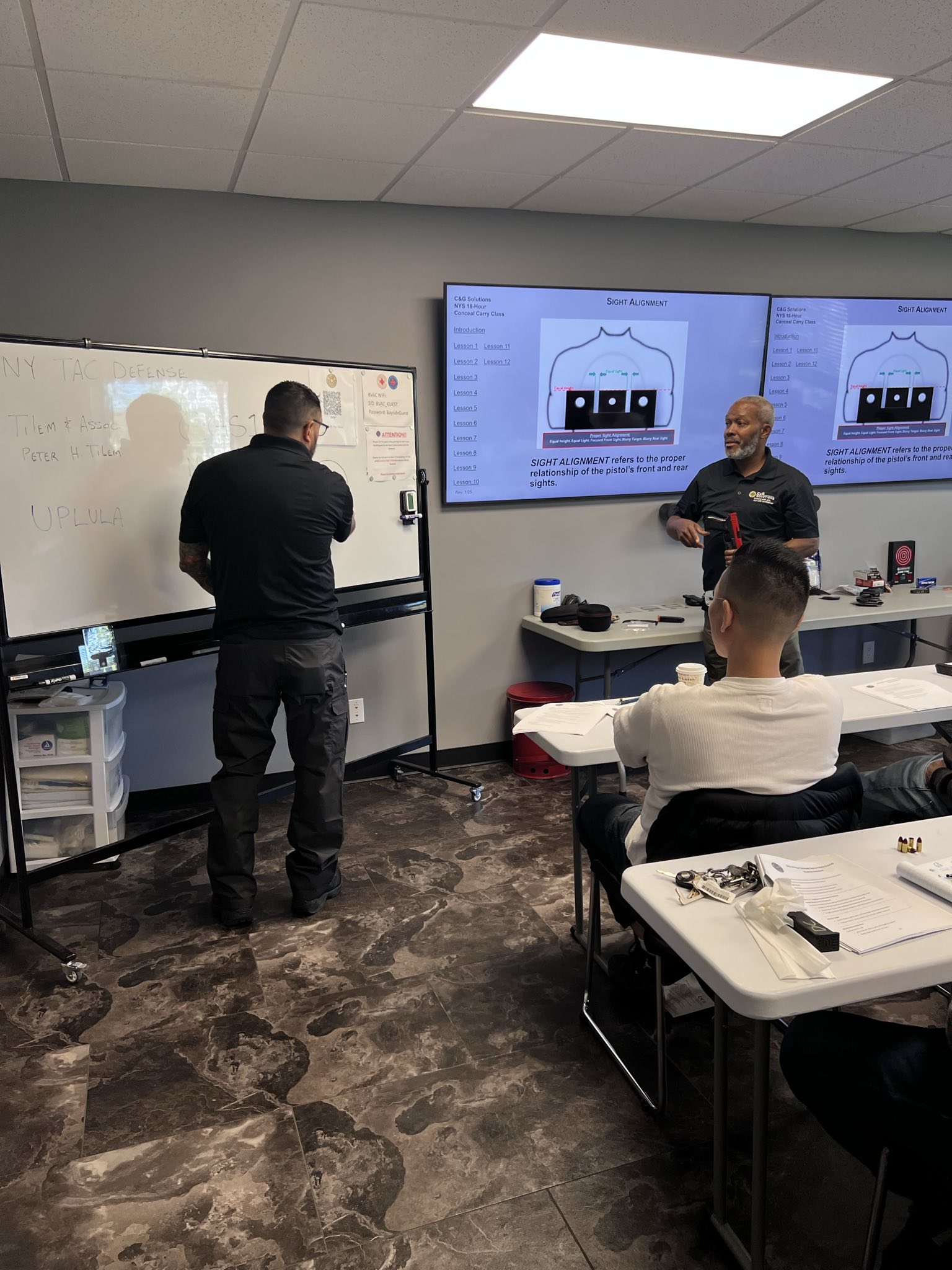
Found this training tip helpful? Share it with your colleagues and fellow shooters to help spread the word on safety!

Well-Taught, Well-Trained
Safety always comes first. We teach proper firearm handling to help prevent accidents and encourage responsible ownership.