



You’ve spent hours on the range. You’ve mastered your draw stroke, you’ve practiced your "sight alignment" until it’s reflexive, and you’ve finally navigated the maze of NY carry laws. You are prepared for the fight.
But what happens when the fight is over?
In my 33-plus years as an EMT and professional instructor, I’ve seen the "Experience Gap" play out in real-time. Most people train for the 1% of the time they are pressing a trigger, but they completely ignore the 100% certainty that someone: whether it’s a bystander, a loved one, or themselves: will need medical intervention after a violent encounter or a serious accident.
If your medical plan starts and ends with a "Stop the Bleed" sticker on your range bag, you’re operating on a surface-level strategy in a high-stakes world. 'Stop the Bleed' is an excellent initiative, but in the chaos of a real-world trauma event, it is just the introductory chapter.
At C&G Solutions, we teach the Citizen First Responder course. It’s not just a class; it’s a distillation of TCCC (Tactical Combat Casualty Care), TECC (Tactical Emergency Casualty Care), and decades of EMT street experience.
Here are the five most common tactical first aid mistakes I see, and why you need to move beyond the basics. 
This is perhaps the most persistent "internet expert" myth in the tactical world. Someone, somewhere, decided that because tampons are designed to absorb blood, they must be great for gunshot wounds.
The Reality: Tampons are designed to absorb a slow flow of blood; they are not designed to occlude an arterial bleed. A gunshot wound is a high-pressure, high-volume event. If you shove a tampon into a femoral bleed, all you’re doing is making a very expensive, very ineffective sponge while the person bleeds out underneath it.
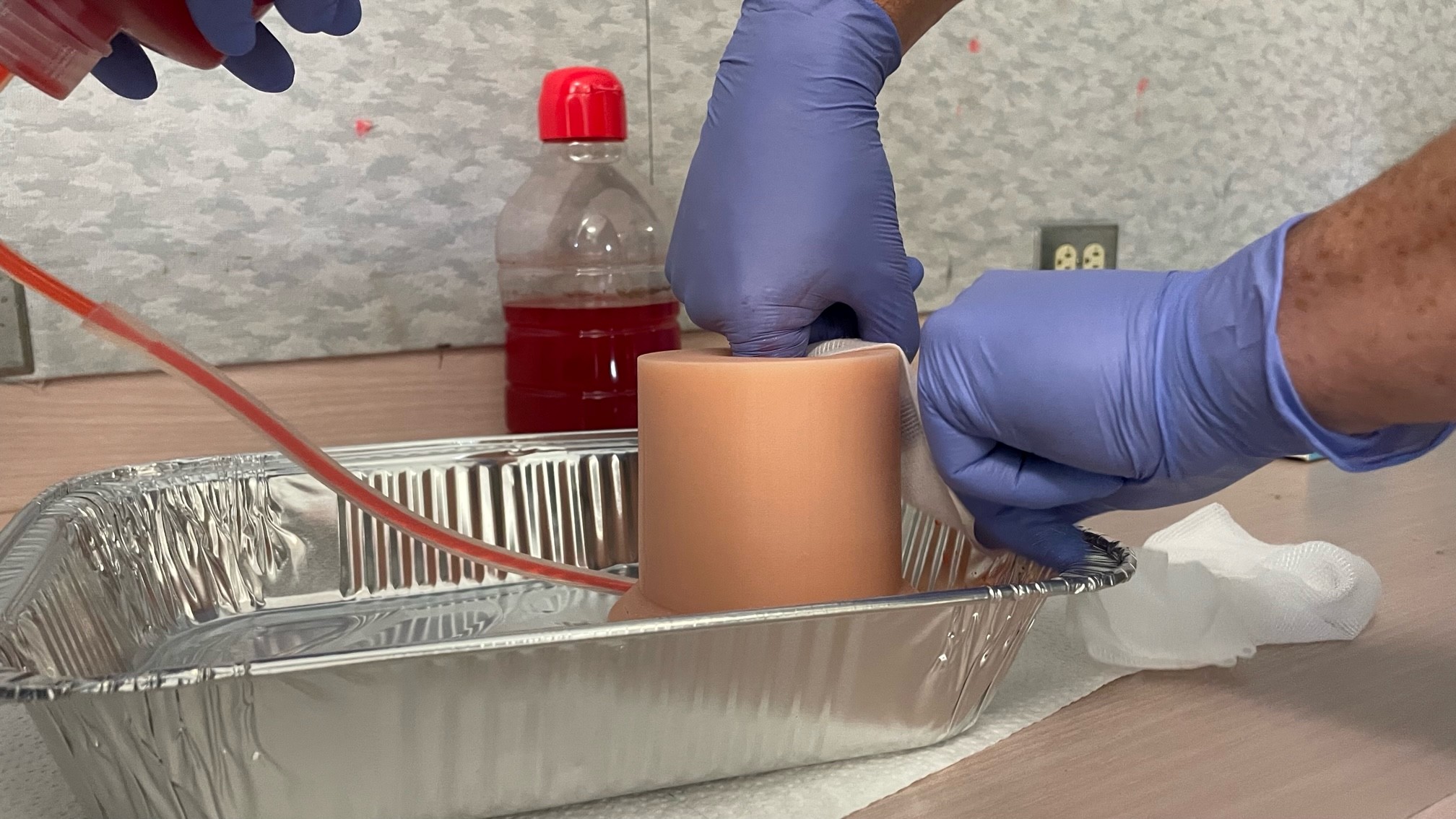
In our Citizen First Responder course, we teach the science of wound packing based on PHTLS (Prehospital Trauma Life Support) standards. We focus on using hemostatic agents and compressed gauze to create a "plug" that actually stops the flow at the source.
We see it all the time. A student shows up with a "tactical" medical kit they bought for twenty bucks on a discount site. The tourniquet looks like a CAT (Combat Application Tourniquet), but the windlass is made of cheap, flimsy plastic.
In the heat of an emergency, your fine motor skills disappear. You will apply more force than you realize. I have seen those knock-off windlasses snap like toothpicks the moment real pressure is applied.
Strategic Authority Rule: If it isn’t CoTCCC (Committee on Tactical Combat Casualty Care) approved, it doesn’t belong on your body. We teach you how to vet your gear and why the "buy once, cry once" mentality is a literal life-saver when it comes to medical supplies.
You have the best medical kit in the world, but it’s buried at the bottom of your range bag, underneath your ammo cans and your lunch.
When an artery is severed, you have roughly 90 seconds to three minutes before someone loses consciousness or dies. If it takes you two minutes to find your kit and another minute to unzip all the compartments, you’ve already lost the battle.
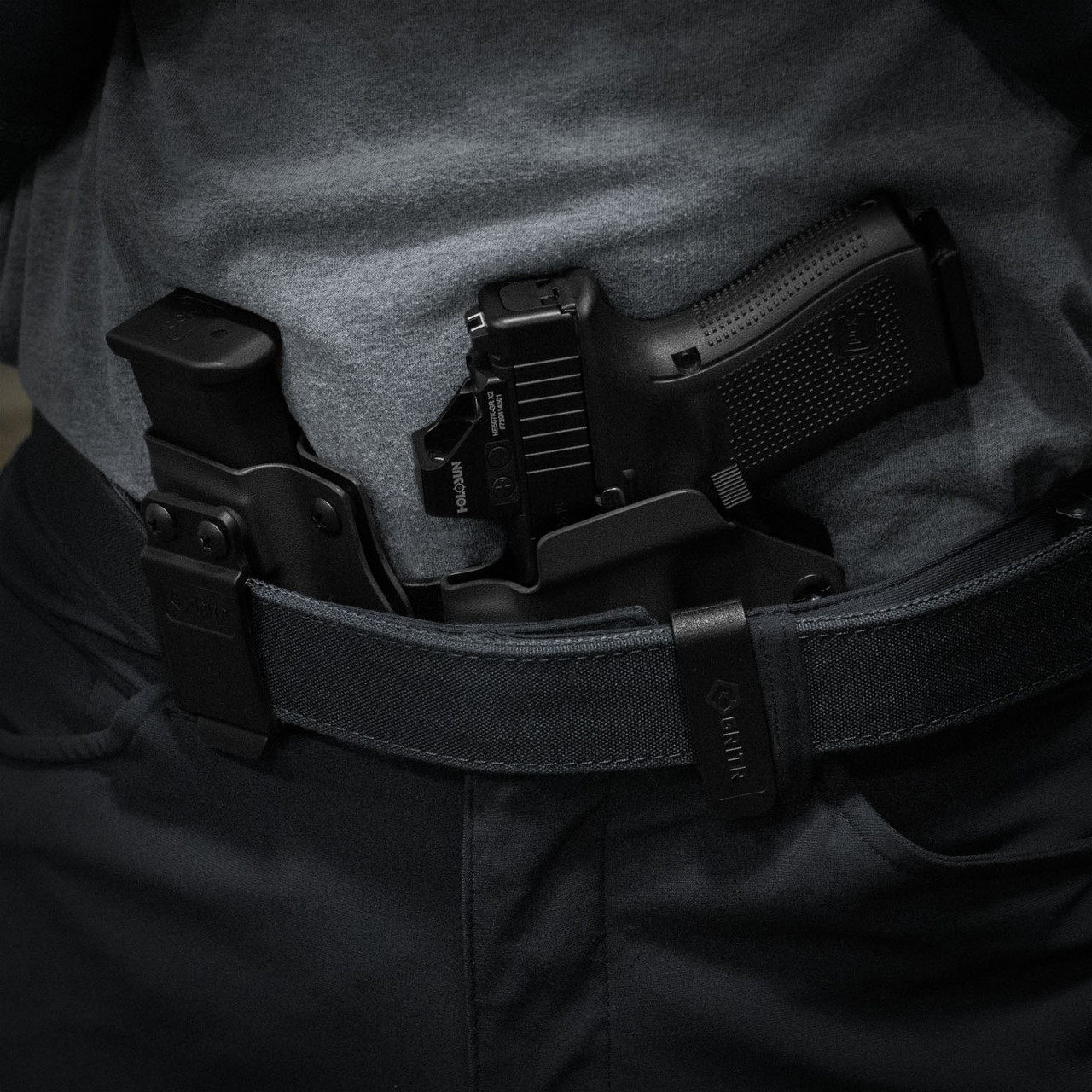
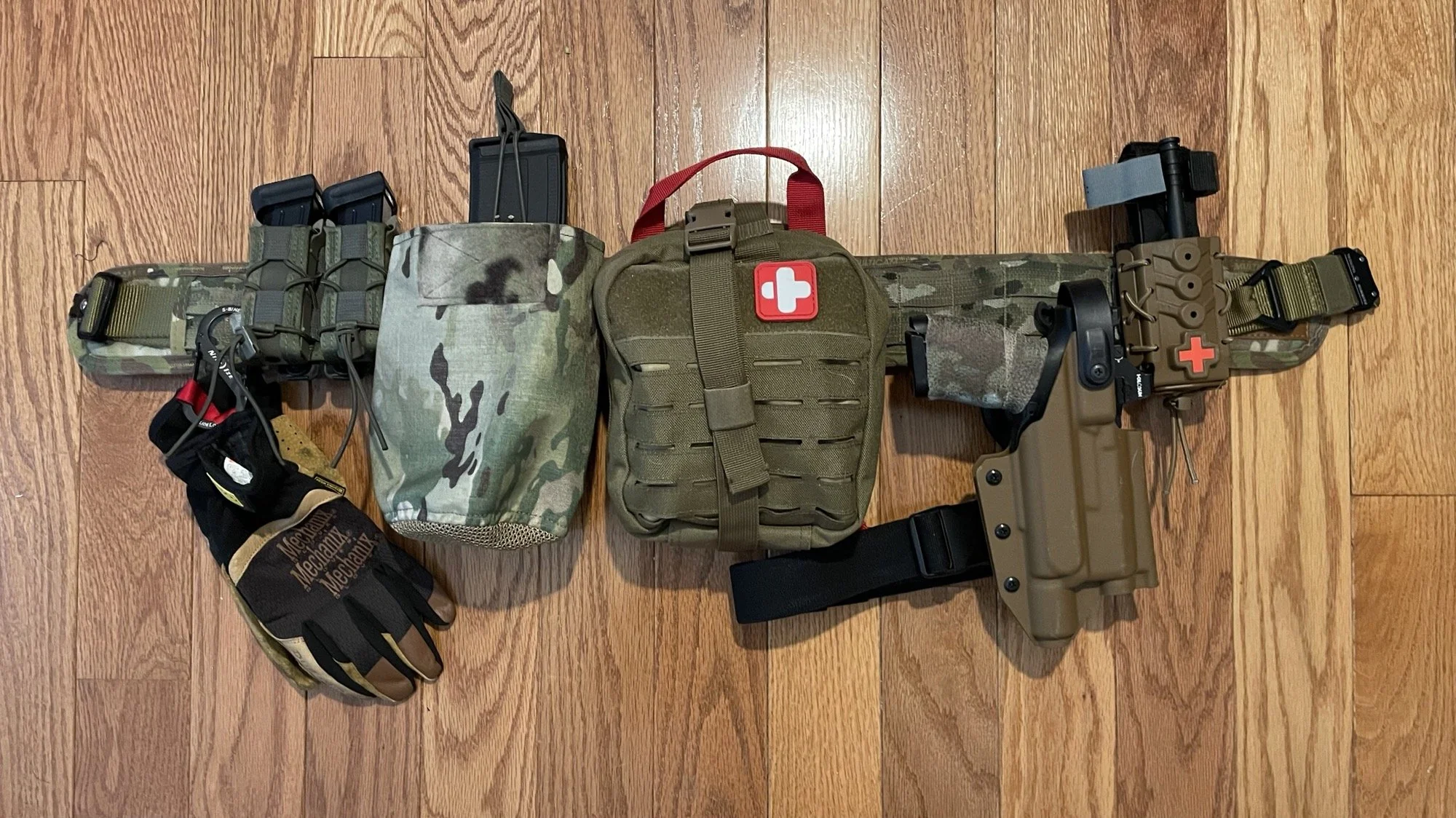
We teach the "Strategic Shield" approach to gear placement. Your medical gear should be as accessible as your firearm. If you carry a tool to make holes, you must carry a tool to fix them: and you must be able to reach it with either hand.
Most basic classes teach you how to put on a tourniquet and call it a day. But the human body is a complex system. If you stop the bleeding but the patient can’t breathe, or they go into shock because they lost too much body heat, the result is the same.
In our Citizen First Responder course, we utilize the MARCH algorithm, the gold standard in tactical medicine:
By following this strategic blueprint, you aren't just reacting to what you see; you are systematically checking for the things that kill people the fastest.
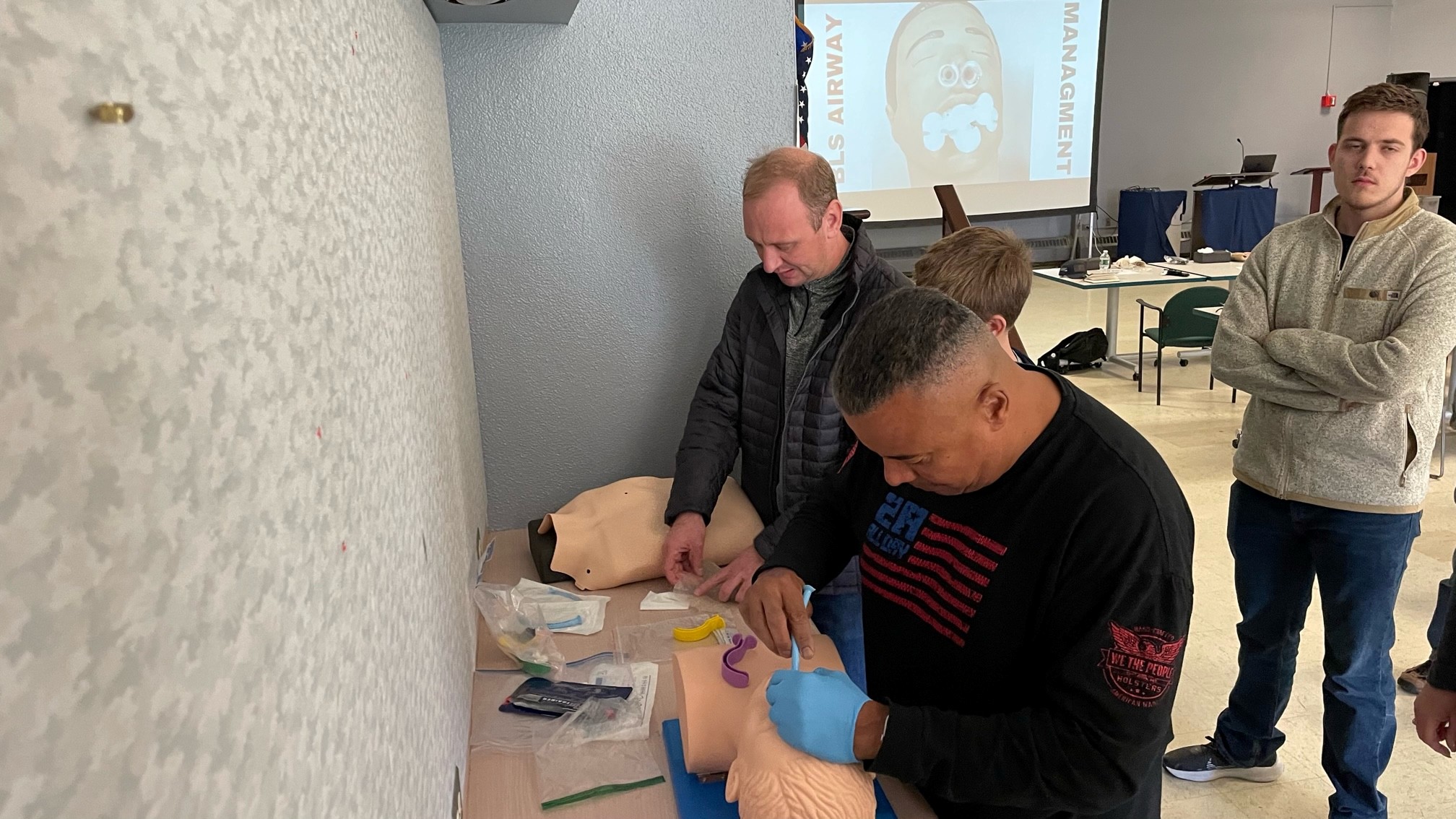
Many people take a class, watch a PowerPoint, and think they are "good to go." But medical skills are perishable. More importantly, they are stress-dependent.
Robert Greene often speaks about the "Tactical Hell" of being overwhelmed by the moment. When the adrenaline hits, your brain wants to freeze. Our training bridges this gap by introducing stress-inoculation drills. We don't just show you a slide of a wound; we make you pack it under a clock, with simulated blood and the pressure of performance.
We take my 33 years of EMT wisdom: the "street smarts" of what actually works when the lights are flashing: and we transfer that to you without the overwhelming medical jargon. You don't need to be a doctor to save a life, but you do need to be a strategist.
As we see experienced instructors leaving the training world and fewer people getting hands-on reps, the "Experience Gap" is widening. Civilian preparedness matters more than ever. You are your own first responder.
On March 28th-29th, we are holding a massive training blitz at our official location: Mariners Cove, 3615 Oceanside Road, Oceanside, NY.
While this weekend features our comprehensive NYS 18-Hour CCW course: the "Universal Key" to your permit: it is also the perfect time to talk to us about the Citizen First Responder program.
Bring a Friend and Save:
Safety is a team sport. If you bring a friend to our training, you get a $50 discount. Just make sure to mention your friend’s name in the comment section during registration so we can apply the credit. Build your own security detail with people you trust.
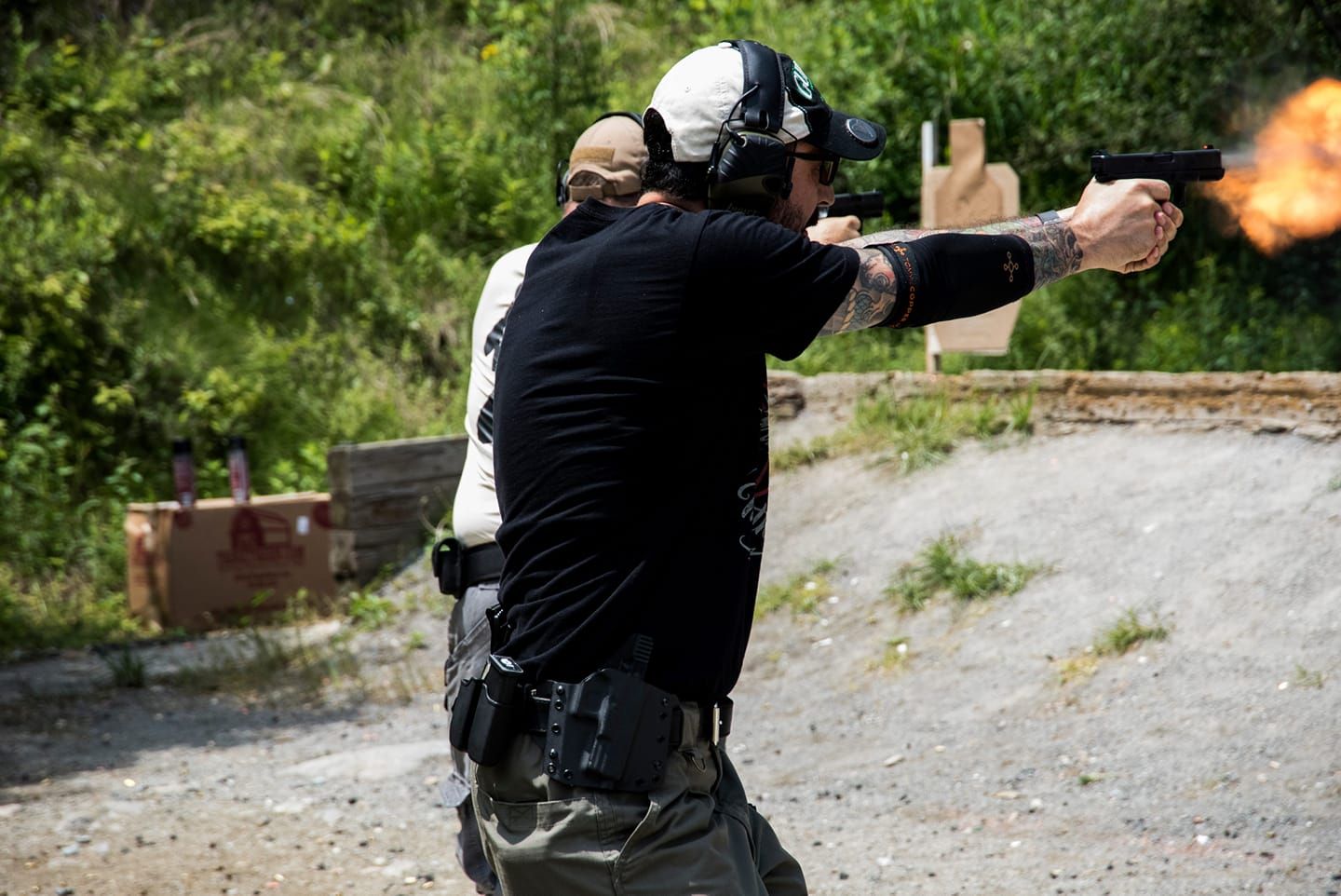
Mastering your firearm is only half the battle. True mastery comes from the ability to control the chaos after the shots have stopped. Don’t settle for a basic "Stop the Bleed" certificate when you can have the "30-Year Blueprint" of a veteran EMT.
Visit C&G Solutions today to see our full course calendar and secure your spot. Whether you're looking for private pistol coaching or our specialized medical training, we are here to ensure you are never the victim of the "Experience Gap."
Did you find these tips helpful? Share this post with your range buddies and help us close the gap in our community's safety!

Well-Taught, Well-Trained
Safety always comes first. We teach proper firearm handling to help prevent accidents and encourage responsible ownership.