


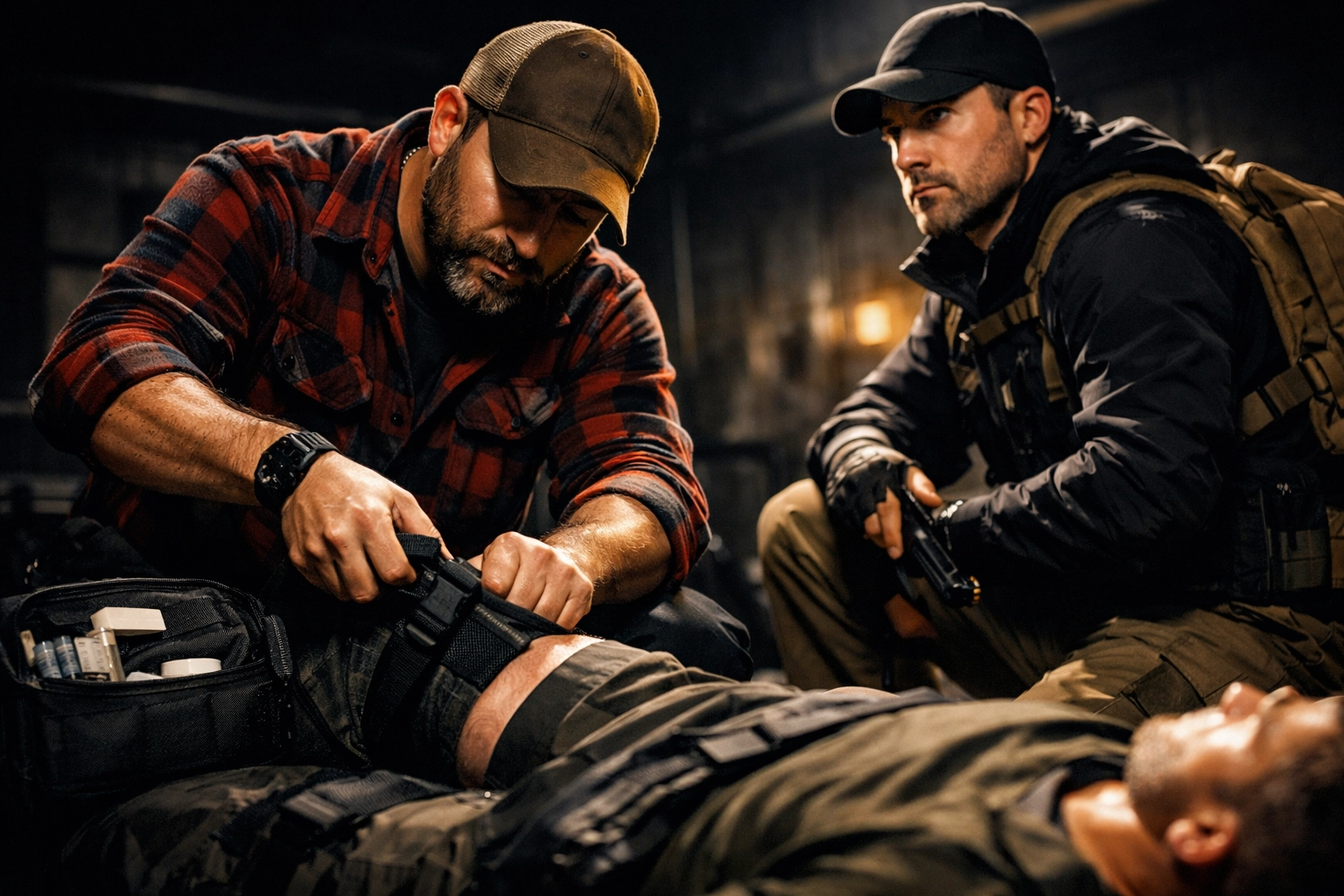
Let’s be real for a second. If you’re reading this, you probably spend a decent amount of time thinking about self-defense. You’ve probably researched the best holster, spent hours at the range working on your draw, and maybe even debated the merits of red dots versus iron sights for weeks. But here’s the uncomfortable truth: you are statistically much more likely to use a tourniquet than you are to use your firearm.
Whether it’s a car accident, a nasty fall, an industrial mishap, or the absolute worst-case scenario of a violent encounter, being able to stop life-threatening bleeding is the ultimate "insurance policy." At C\&G Solutions, we believe that if you’re prepared to take a life in defense of your own, you must be equally prepared to save one. That’s why our Citizen First Responder course is often the most eye-opening class our students ever take.
In a perfect world, when something goes wrong, you call 911 and help arrives in seconds. But we don’t live in a perfect world. There is a "gap" between the moment an injury occurs and the moment professional help arrives. In a major city or a rural area, that gap can be anywhere from five to twenty minutes: sometimes longer.
If a major artery is severed, a person can bleed out in as little as three minutes. You do the math. You are the first responder. Not the guys in the ambulance, not the police: you.
My name is Chris Goemans, and over the last 30 years working in EMS, security, and teaching, I’ve seen firsthand how much of a difference a little bit of knowledge and the right gear can make. You don’t need to be a doctor, but you do need to know how to bridge that gap.
Most of us grew up hearing about the "ABCs" of first aid: Airway, Breathing, and Circulation. While that’s fine for a hospital setting or someone having a heart attack, it’s fundamentally flawed for trauma.
In a tactical or high-stress emergency, we use the MARCH mnemonic. This system, derived from Tactical Combat Casualty Care (TCCC) and Tactical Emergency Casualty Care (TECC), prioritizes the things that kill people the fastest.
This is the big one. If someone is "leaking" fast, they are dying fast. We focus on stopping arterial bleeding using tourniquets and wound packing. If you don’t stop the bleeding, nothing else you do matters.
Once the bleeding is controlled, we check if the person can breathe. Is their tongue blocking the way? Is there blood or debris in the mouth? We teach simple ways to keep that airway open.
This is about the lungs. Specifically, we're looking for "sucking chest wounds" or tension pneumothorax. If there’s a hole in the "box" (the chest/back area), we need to seal it.
After the big leaks are plugged and the person is breathing, we check for smaller bleeds and look for signs of shock.
We check for head injuries and: this is crucial: we keep the patient warm. Even on a hot day, a trauma patient losing blood will lose body heat rapidly, which stops their blood from clotting.
In our Citizen First Responder training, we don't just teach you how to use a bandage; we teach you when to use it. Tactical medicine is broken down into three phases:
Understanding these phases prevents you from becoming a second casualty. There's no point in trying to wrap a bandage while someone is still actively trying to hurt you.
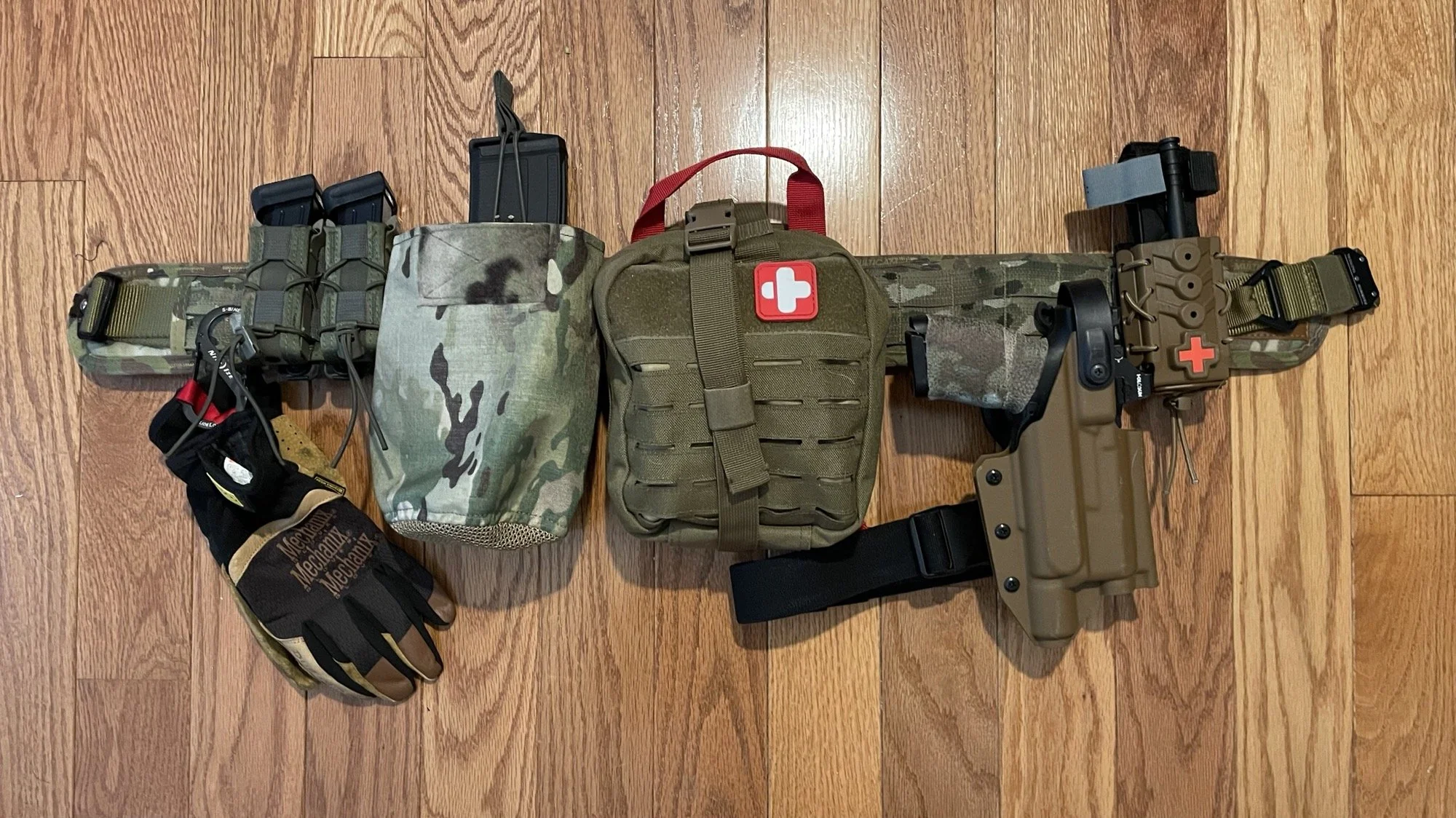
I see it all the time. Someone buys a "complete" 200-piece first aid kit on Amazon for $19.99 and thinks they’re prepared. Let me be blunt: that kit is junk. Most of those "tourniquets" are knock-offs that will snap the second you try to tighten them enough to actually stop blood flow.
When it comes to medical gear, you need to buy from reputable sources. We recommend companies like North American Rescue (NAR) or Dark Angel Medical.
Pro-Tip: If you buy a Combat Application Tourniquet (CAT), take it out of the shrink-wrap immediately. If you're bleeding out, you won't have the fine motor skills or the time to fumble with plastic packaging. Stage your TQ so it’s ready to go with one hand.
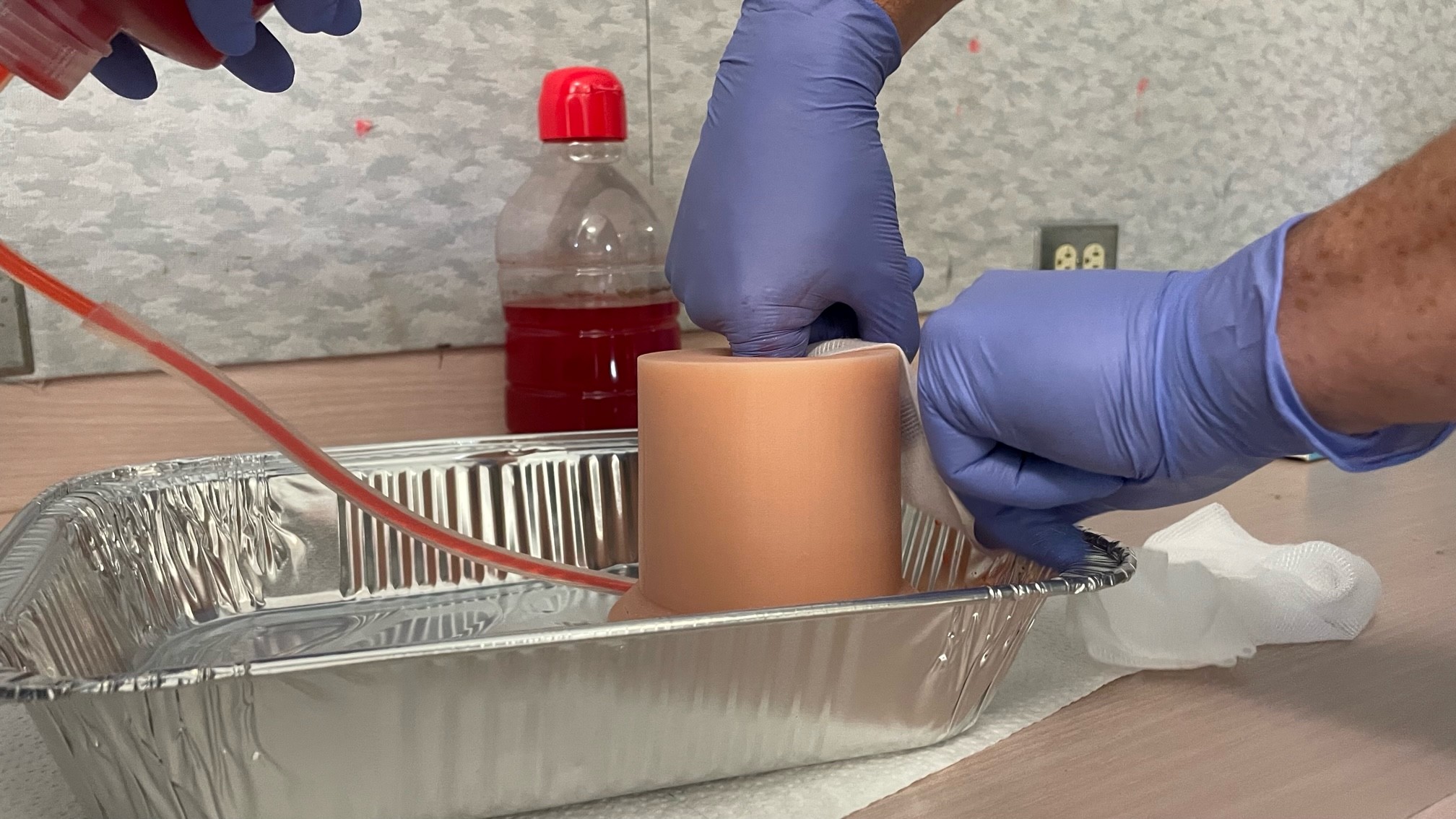
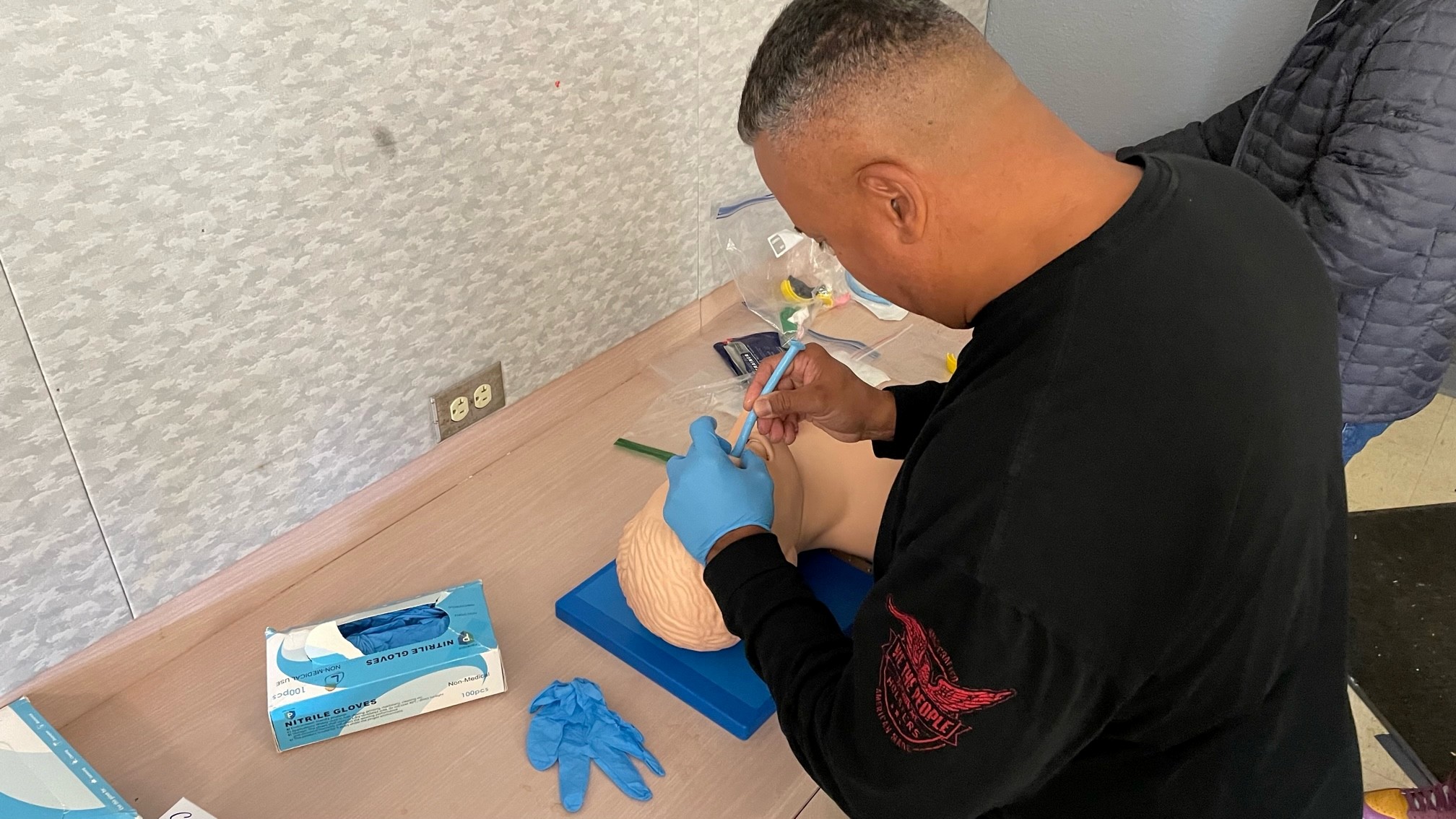
At C\&G Solutions, we don't just lecture. We get hands-on. We use simulation mannequins, practice wound packing with "simulated blood," and run drills under stress. We want you to feel the frustration of trying to apply a tourniquet when your hands are slippery and your heart is racing.
Navigating the world of self-defense can feel like an uphill battle, especially with the legal hurdles in places like New York. But medical training is the one area where there are no downsides. It’s a skill that makes you a more valuable member of your family and your community.
Whether you've taken our NYS Concealed Carry course or are just starting your journey, the Citizen First Responder course is the missing piece of the puzzle.
Safety isn't just about what's in your holster; it's about what's in your head and your hands. If you want to move beyond the range and truly become a prepared citizen, come see us in Oceanside.
Call or text us to schedule your training.
We believe training is better with a partner. Bring a friend to any of our full-length courses and you’ll receive a $50 discount. Just make sure to mention your friend’s name in the comment section during registration so we can apply the credit!
Training can sometimes feel like a maze of technical jargon and "tacti-cool" nonsense. We cut through the noise to give you practical, life-saving skills in a judgment-free zone.
Defend with skill, Act with confidence.*
C\&G Solutions
Mariners Cove, 3615 Oceanside Road
Oceanside, NY
www.cgsolutionsusa.comDid you find this post helpful? Share it with a friend who carries a firearm but might be missing their med kit!

Well-Taught, Well-Trained
Safety always comes first. We teach proper firearm handling to help prevent accidents and encourage responsible ownership.