





What You'll Learn in This Post
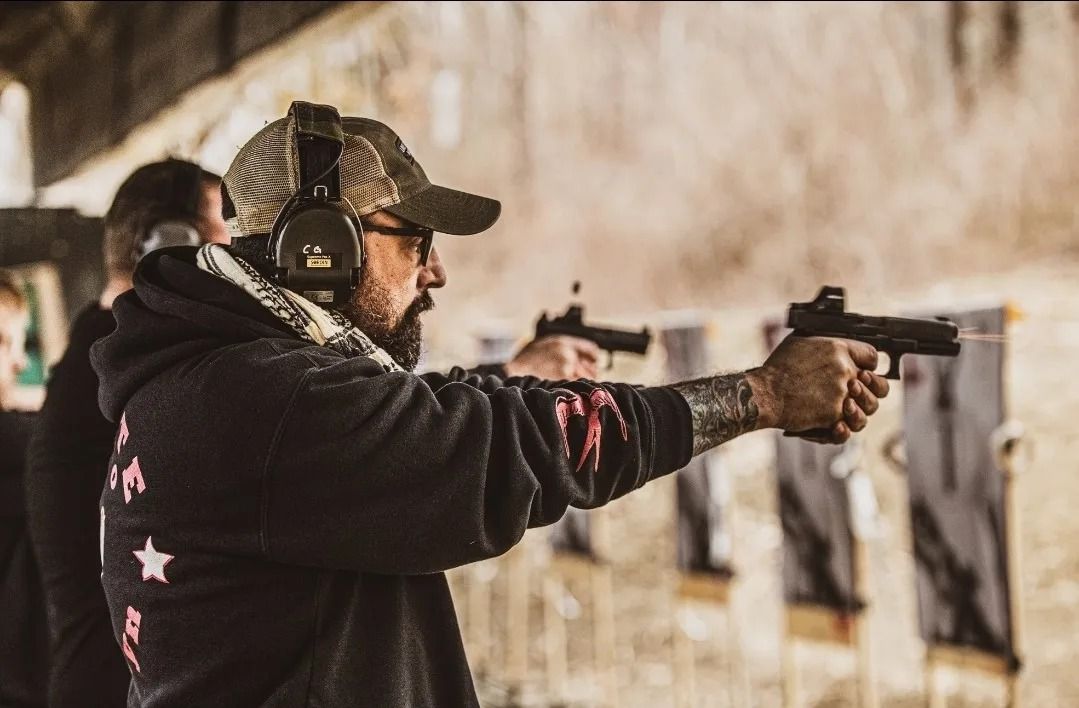
Most people spend their entire training life preparing for the "three-second fight." They drill the draw stroke, perfect the trigger press to the rear, and practice clearing malfunctions until their hands bleed. But if you’re only training for those three seconds, you’re ignoring the next thirty years of your life.

If you are ever forced to use your firearm in New York, the physical encounter is only the beginning. As soon as the smoke clears, a second, often more grueling fight begins: the legal battle.
In their seminal work Deadly Force Encounters, Dr. Alexis Artwohl and Loren W. Christensen introduce the Survival Triangle, composed of three critical sides: Mindset, Skills, and Environment. While most people focus on the "Skills" (shooting) and "Mindset" (situational awareness), the "Environment" includes the legal landscape you inhabit after an incident.

In the world of defensive training, there has long been a perceived "wall" between the professional operator, the law enforcement officer (LEO) or military member, and the "concerned citizen" carrying a concealed pistol for personal protection. For years, the two groups were treated as if they existed in different physiological universes.
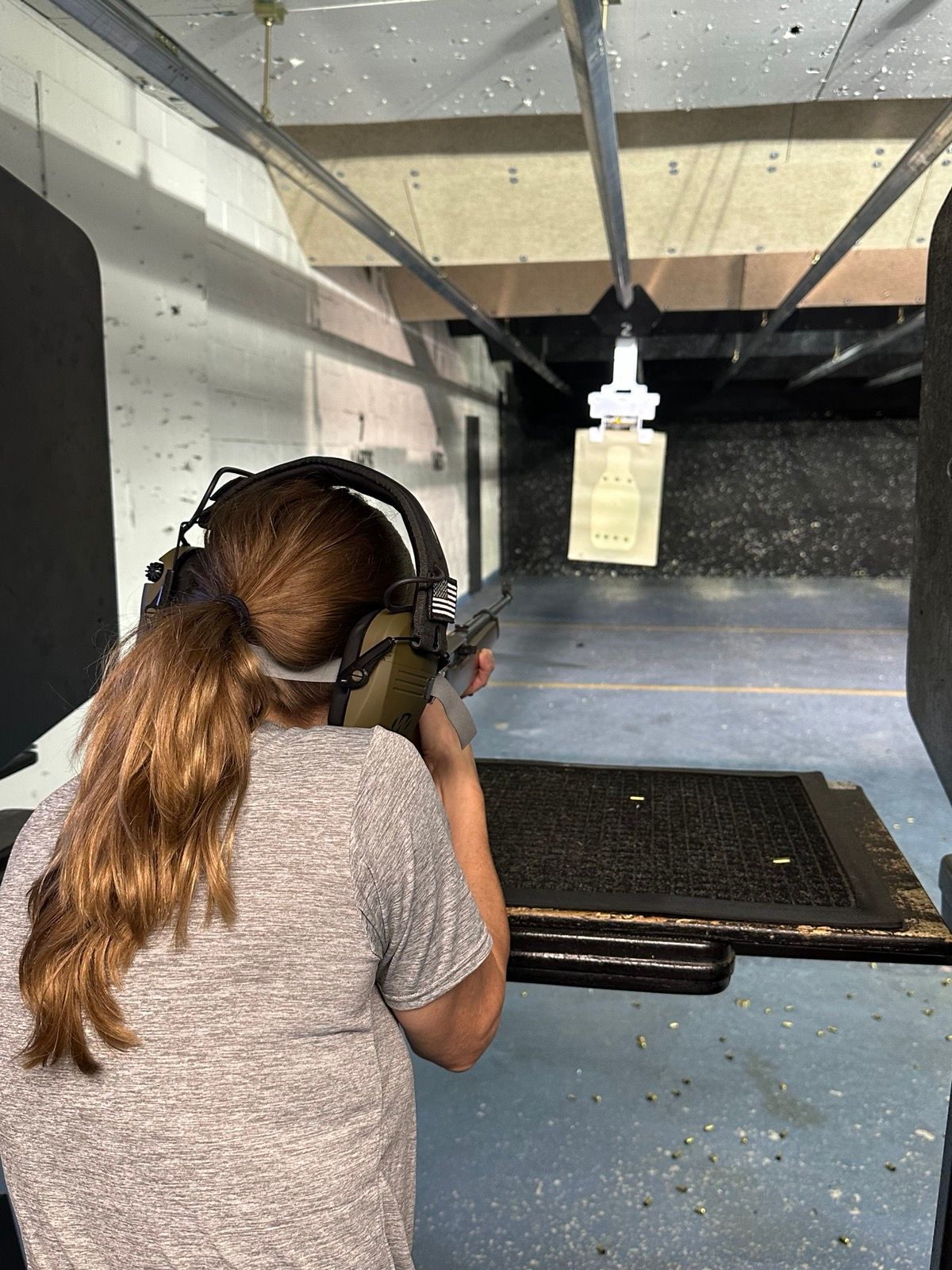
In the high-stakes world of self-defense, many people spend 90% of their time focused on 10% of the problem. They obsess over the fastest holster, the flattest-shooting pistol, or the tightest groups at the local indoor range. While those technical skills are important, they are only one piece of a much larger puzzle.
Today, we are diving deep into a core concept from Deadly Force Encounters by Dr. Alexis Artwohl and Loren W. Christensen: The Survival Triangle.
At C&G Solutions, we don’t just teach you how to shoot; we teach you how to survive. With over 30 years of experience in EMS, security, and professional instruction, our founder Chris Goemans has seen firsthand that having a gun is not a plan, it’s just a tool. To truly be prepared, you must understand how Mindset, Skills, and Environment interact to determine your outcome in a crisis.

Well-Taught, Well-Trained
Safety always comes first. We teach proper firearm handling to help prevent accidents and encourage responsible ownership.